| Product dosage: 250mg | |||
|---|---|---|---|
| Package (num) | Per pill | Price | Buy |
| 180 | $0.32 | $57.08 (0%) | 🛒 Add to cart |
| 360 | $0.29
Best per pill | $114.17 $104.15 (9%) | 🛒 Add to cart |
| Product dosage: 500mg | |||
|---|---|---|---|
| Package (num) | Per pill | Price | Buy |
| 60 | $0.72 | $43.06 (0%) | 🛒 Add to cart |
| 90 | $0.63 | $64.59 $57.08 (12%) | 🛒 Add to cart |
| 120 | $0.58 | $86.12 $70.10 (19%) | 🛒 Add to cart |
| 180 | $0.55 | $129.19 $98.14 (24%) | 🛒 Add to cart |
| 270 | $0.52 | $193.78 $139.20 (28%) | 🛒 Add to cart |
| 360 | $0.51
Best per pill | $258.37 $182.26 (29%) | 🛒 Add to cart |
Similar products
More info:
Tetracycline: Effective Antibacterial Therapy for Infections - Evidence-Based Review
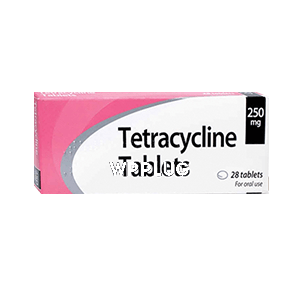
Tetracycline is a broad-spectrum antibiotic belonging to the tetracycline class, discovered in the late 1940s and derived from Streptomyces bacteria. It functions by inhibiting bacterial protein synthesis, binding reversibly to the 30S ribosomal subunit, preventing aminoacyl-tRNA from attaching to the mRNA-ribosome complex. This bacteriostatic action makes it effective against a wide range of Gram-positive and Gram-negative bacteria, as well as atypical organisms like Chlamydia, Mycoplasma, and Rickettsia. In clinical practice, we’ve relied on it for decades, but its utility has evolved due to resistance patterns.
accutane
Accutane, the brand name for isotretinoin, represents one of the most potent and controversial systemic retinoids available for treating severe, recalcitrant nodular acne. It’s a vitamin A derivative that fundamentally alters the course of acne pathogenesis, but its use requires meticulous patient selection and monitoring due to a significant side effect profile. I’ve spent over fifteen years managing complex acne cases, and nothing divides dermatology departments quite like Accutane – some clinicians view it as a last-resort nuclear option, while others (myself included) see it as a potentially transformative therapy when used correctly.
bromhexine
Bromhexine hydrochloride is a well-established mucolytic agent that has been part of clinical practice for over five decades. As a derivative of the vasicine alkaloid from Adhatoda vasica, it represents one of the earliest systematic attempts to develop effective respiratory therapeutics from traditional medicinal plants. What’s fascinating is how this compound has maintained relevance despite the emergence of newer agents, particularly because of its unique dual mechanism that addresses both mucus viscosity and clearance.
chloramphenicol
Let me walk you through what we’ve learned about chloramphenicol over the years - not the sterile textbook version, but the messy reality of using this antibiotic in clinical practice. I remember my first encounter with it during residency, watching our infectious disease attending handle a vial like it contained both miracle and poison. ## 1. Introduction: What is Chloramphenicol? Its Role in Modern Medicine Chloramphenicol represents one of those fascinating paradoxes in medicine - a drug that saved countless lives when first introduced in 1949, fell out of favor due to safety concerns, yet never completely disappeared because frankly, nothing else works quite like it for certain infections.
chloromycetin
Chloramphenicol, marketed historically as Chloromycetin, remains one of the most fascinating and clinically challenging antibiotics in our armamentarium. I still remember the first time I encountered it during my infectious disease rotation in the 1980s - this broad-spectrum bacteriostatic agent that could literally save lives from typhoid fever or bacterial meningitis, yet carried this terrifying potential for irreversible bone marrow suppression. The attending physician handling the case, Dr. Chen, had this almost reverential fear when he’d pull out the vial, his hands moving with deliberate caution as if handling radioactive material.
digoxin
Digoxin, a cardiac glycoside derived from the foxglove plant (Digitalis lanata), represents one of medicine’s oldest yet most precisely targeted therapies for specific heart conditions. Initially used as a folk remedy for dropsy (edema), its modern application focuses primarily on managing atrial fibrillation and heart failure through its unique inotropic and chronotropic effects. Unlike many contemporary cardiovascular agents, digoxin’s narrow therapeutic index demands meticulous dosing and monitoring, making its clinical use both an art and a science.
Doxycycline: Potent Antibacterial and Anti-inflammatory Therapy - Evidence-Based Review
Doxycycline is a broad-spectrum tetracycline-class antibiotic derived from oxytetracycline, first isolated in the 1960s. It remains one of the most clinically versatile antibacterial agents due to its unique pharmacokinetic profile and wide therapeutic window. Unlike earlier tetracyclines, doxycycline demonstrates excellent oral bioavailability and tissue penetration, making it indispensable for everything from routine respiratory infections to complex parasitic diseases. What’s fascinating is how its anti-inflammatory properties, separate from antimicrobial action, have expanded its applications into dermatology and rheumatology - something we rarely consider when reaching for it in daily practice.
erythromycin
Erythromycin is a macrolide antibiotic derived from Streptomyces erythreus, first isolated in 1952. It’s available in oral tablets, topical solutions, ophthalmic ointments, and intravenous formulations. The drug works by binding to the 50S ribosomal subunit, inhibiting bacterial protein synthesis. We initially used it primarily for penicillin-allergic patients, but its applications have expanded significantly over decades of clinical use. The interesting thing about erythromycin - and this isn’t in most textbooks - is how its gastrointestinal prokinetic effects were discovered accidentally when patients receiving it for infections reported improved gastric emptying.
ferrous
Ferrous supplements represent one of the most fundamental yet frequently mismanaged interventions in clinical practice. As iron salts, primarily ferrous sulfate, gluconate, and fumarate, they serve as the frontline therapy for iron deficiency anemia—a condition I’ve seen in everything from elite athletes to elderly patients with occult GI bleeding. What continues to surprise me after twenty-three years in hematology isn’t the biochemistry, which is straightforward enough, but the dramatic variability in patient response based on formulation, timing, and individual physiology.