
| Product dosage: 1mg | |||
|---|---|---|---|
| Package (num) | Per pill | Price | Buy |
| 60 | $2.02 | $121.17 (0%) | 🛒 Add to cart |
| 90 | $1.97 | $181.76 $177.25 (2%) | 🛒 Add to cart |
| 120 | $1.88 | $242.35 $225.32 (7%) | 🛒 Add to cart |
| 180 | $1.71 | $363.52 $308.44 (15%) | 🛒 Add to cart |
| 270 | $1.59
Best per pill | $545.28 $430.61 (21%) | 🛒 Add to cart |
| Product dosage: 5mg | |||
|---|---|---|---|
| Package (num) | Per pill | Price | Buy |
| 30 | $2.60 | $78.11 (0%) | 🛒 Add to cart |
| 60 | $2.27 | $156.22 $136.19 (13%) | 🛒 Add to cart |
| 90 | $2.16 | $234.33 $194.28 (17%) | 🛒 Add to cart |
| 120 | $2.09 | $312.45 $251.36 (20%) | 🛒 Add to cart |
| 180 | $2.04 | $468.67 $367.52 (22%) | 🛒 Add to cart |
| 270 | $2.00
Best per pill | $703.00 $540.77 (23%) | 🛒 Add to cart |

More info:
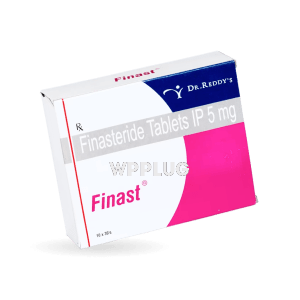
finast
Finast represents one of those interesting cases where a dietary supplement formulation bridges traditional herbal knowledge with modern pharmaceutical-grade standardization. We’re looking at a saw palmetto extract specifically engineered for maximum bioavailability, targeting androgen-related conditions with a precision that’s frankly unusual in the supplement space. The core challenge with saw palmetto has always been the lipophilic nature of its active compounds - the fatty acids just don’t absorb well in standard preparations.
Avodart: Significant Prostate Volume Reduction for BPH - Evidence-Based Review
Product Description Avodart (dutasteride) is a prescription medication in the 5-alpha-reductase inhibitor class, specifically formulated as a soft gelatin capsule containing 0.5 mg dutasteride. It’s primarily indicated for the management of symptomatic benign prostatic hyperplasia (BPH) in men with an enlarged prostate. Unlike over-the-counter supplements, Avodart requires careful medical supervision due to its potent and permanent effects on hormone pathways. 1. Introduction: What is Avodart? Its Role in Modern Medicine When we’re talking about medical management of benign prostatic hyperplasia, Avodart represents one of the more impactful developments in urology over the past two decades.
doxazosin
Doxazosin is an alpha-1 adrenergic receptor antagonist primarily used in clinical practice for managing hypertension and benign prostatic hyperplasia (BPH). It belongs to the quinazoline class and works by selectively blocking alpha-1 receptors in vascular smooth muscle and the prostate, leading to vasodilation and relaxation of bladder neck and prostatic smooth muscle. Available in both immediate and extended-release formulations, doxazosin has been a mainstay in treatment algorithms for decades, particularly when comorbid conditions like BPH and hypertension coexist.
Dutas: Comprehensive DHT Suppression for Prostate and Hair Conditions - Evidence-Based Review
Dutasteride, marketed under brand names including Dutas, represents a significant advancement in 5-alpha reductase inhibitor therapy. This prescription medication belongs to the same class as finasteride but with distinct pharmacological properties that make it particularly valuable in specific clinical scenarios. As a dual inhibitor of both type 1 and type 2 isoforms of the 5-alpha reductase enzyme, dutasteride achieves more complete suppression of dihydrotestosterone (DHT) conversion from testosterone. This mechanism underlies its primary applications in benign prostatic hyperplasia management and, in some regions, androgenetic alopecia treatment.
finpecia
Finpecia is the brand name for finasteride 1mg tablets, a prescription medication specifically formulated for the treatment of male pattern hair loss (androgenetic alopecia) in men. It represents one of the few clinically proven, FDA-approved oral treatments for this condition, operating through a well-understood hormonal pathway. Its role has evolved from its origin as a higher-dose (5mg) prostate medication, becoming a cornerstone in dermatological practice for managing progressive hair thinning.
flomax
Flomax, known generically as tamsulosin hydrochloride, is an alpha-1 adrenergic receptor blocker specifically formulated for the management of lower urinary tract symptoms (LUTS) associated with benign prostatic hyperplasia (BPH). It’s not a dietary supplement but a prescription medication that selectively relaxes smooth muscle in the prostate and bladder neck, facilitating improved urinary flow. Its role in modern urology is well-established, offering a targeted approach that minimizes the blood pressure effects seen with non-selective alpha-blockers.
himplasia
Himplasia represents one of those interesting botanical formulations that bridges traditional Ayurvedic medicine with modern urological practice. As a prostate health supplement containing standardized extracts of Tribulus terrestris, Caesalpinia bonduc, Asteracantha longifolia, and other herbs, it’s manufactured by Himalaya Herbals and has been used clinically for benign prostatic hyperplasia (BPH) management for decades. What makes it particularly noteworthy isn’t just the ingredient combination but the specific standardization process Himalaya employs, which creates more consistent clinical effects than many generic herbal blends.
minoxytop
In clinical practice, we often encounter products that generate significant buzz before robust evidence fully materializes. One such product that has been on my radar for the last few years is minoxytop, a topical formulation primarily used for androgenic alopecia and other hair loss conditions. It’s essentially a novel delivery system for minoxidil, but with some key modifications that appear to enhance efficacy and reduce the notorious side effects like scalp irritation and unwanted facial hair growth in women.
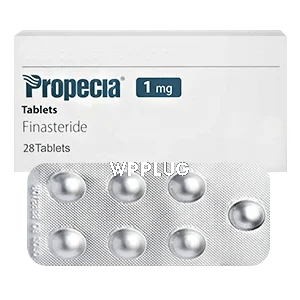
propecia
Propecia, known generically as finasteride, is a prescription medication specifically formulated at a 1 mg dose for the treatment of male pattern hair loss (androgenetic alopecia) in men. It belongs to a class of drugs called 5-alpha-reductase inhibitors. Originally developed and studied at a 5 mg dose for treating benign prostatic hyperplasia (BPH), researchers observed an interesting side effect – hair growth. This serendipitous finding led Merck to pursue the 1 mg formulation specifically for hair loss, which received FDA approval in 1997.