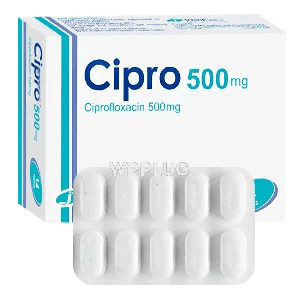
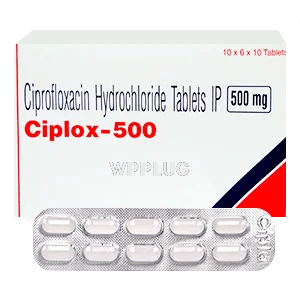
| Product dosage: 250mg | |||
|---|---|---|---|
| Package (num) | Per pill | Price | Buy |
| 90 | $0.45 | $40.06 (0%) | 🛒 Add to cart |
| 120 | $0.37 | $53.41 $44.06 (18%) | 🛒 Add to cart |
| 180 | $0.30 | $80.12 $54.08 (32%) | 🛒 Add to cart |
| 360 | $0.22
Best per pill | $160.23 $79.11 (51%) | 🛒 Add to cart |
| Product dosage: 500mg | |||
|---|---|---|---|
| Package (num) | Per pill | Price | Buy |
| 60 | $0.72 | $43.06 (0%) | 🛒 Add to cart |
| 90 | $0.55 | $64.59 $49.07 (24%) | 🛒 Add to cart |
| 120 | $0.46 | $86.12 $55.08 (36%) | 🛒 Add to cart |
| 180 | $0.38 | $129.19 $68.10 (47%) | 🛒 Add to cart |
| 270 | $0.32 | $193.78 $86.12 (56%) | 🛒 Add to cart |
| 360 | $0.29
Best per pill | $258.37 $104.15 (60%) | 🛒 Add to cart |
| Product dosage: 750mg | |||
|---|---|---|---|
| Package (num) | Per pill | Price | Buy |
| 30 | $1.97 | $59.09 (0%) | 🛒 Add to cart |
| 60 | $1.39 | $118.17 $83.12 (30%) | 🛒 Add to cart |
| 90 | $1.18 | $177.26 $106.15 (40%) | 🛒 Add to cart |
| 120 | $1.08 | $236.34 $130.19 (45%) | 🛒 Add to cart |
| 180 | $0.98 | $354.51 $177.26 (50%) | 🛒 Add to cart |
| 360 | $0.88
Best per pill | $709.03 $317.46 (55%) | 🛒 Add to cart |
Synonyms | |||
Similar products
More info:
Cipro: Effective Antibiotic Treatment for Bacterial Infections - Evidence-Based Review
Ciprofloxacin, commonly known as Cipro, is a broad-spectrum fluoroquinolone antibiotic that has been a cornerstone in treating serious bacterial infections since its introduction in the 1980s. As a synthetic chemotherapeutic agent, it works by inhibiting bacterial DNA gyrase and topoisomerase IV, effectively halting DNA replication in susceptible organisms. Its broad activity against Gram-negative bacteria and some Gram-positive pathogens made it particularly valuable for respiratory, urinary tract, and gastrointestinal infections, though its use has become more restricted in recent years due to safety concerns.
Ciprodex Ophthalmic Solution: Effective Treatment for Ocular Infections and Inflammation - Evidence-Based Review
Ciprodex Ophthalmic Solution is a sterile, preserved antimicrobial and anti-inflammatory suspension specifically formulated for ophthalmic use. Each milliliter contains ciprofloxacin 0.3% (3 mg/mL) as hydrochloride and dexamethasone 0.1% (1 mg/mL). The solution comes in a 5 mL or 2.5 mL bottle with a controlled dropper tip, appearing as a white to off-white suspension that needs thorough shaking before administration. It’s classified as a combination drug, not a dietary supplement or medical device, falling under prescription ophthalmic corticosteroids with anti-infective components.
Besivance Ophthalmic Solution: Effective Bacterial Conjunctivitis Treatment - Evidence-Based Review
Besivance ophthalmic solution is a sterile, topical antibiotic formulation specifically designed for treating bacterial infections of the eye. It contains besifloxacin, a broad-spectrum fluoroquinolone, suspended in a mucoadhesive polymer base (DuraSite®) that enhances precorneal residence time. This isn’t your standard eye drop; it’s a sophisticated delivery system developed to overcome the rapid clearance that plagues most topical ocular medications, ensuring the active ingredient stays where it’s needed. 1. Introduction: What is Besivance Ophthalmic Solution?
ciloxan ophthalmic solution
Ciloxan ophthalmic solution is a sterile, preserved, topical antimicrobial preparation formulated as a 0.3% solution of the fluoroquinolone antibiotic ciprofloxacin. It’s supplied in a white, opaque, plastic squeeze bottle with a controlled dropper tip, designed for direct instillation into the conjunctival sac. The solution appears clear and may have a slight yellow tint, which can darken with time but does not adversely affect potency. Its primary role in modern ophthalmology is as a first-line therapeutic agent for treating and preventing bacterial infections of the eye and its adnexa, offering broad-spectrum coverage against a wide array of gram-positive and gram-negative pathogens.
ciplox
Ciprofloxacin, marketed under brand names like Ciplox, remains one of the most widely prescribed fluoroquinolone antibiotics globally. Its broad-spectrum activity against Gram-positive and Gram-negative bacteria made it a workhorse in our infectious disease arsenal for decades. I remember during my residency in the late 90s, we’d reach for it almost reflexively for complicated UTIs, certain respiratory infections, and even some gastrointestinal bugs when first-line options failed. The mechanism—inhibition of bacterial DNA gyrase and topoisomerase IV—was elegant in its specificity, or so we thought at the time.
esbriet
Pirfenidone, marketed under the brand name Esbriet, represents a significant advancement in the management of idiopathic pulmonary fibrosis (IPF). This orally administered antifibrotic agent specifically targets the underlying pathological processes driving progressive lung scarring. Unlike traditional anti-inflammatory approaches that showed limited efficacy in IPF, Esbriet’s mechanism directly addresses the complex cytokine and growth factor signaling responsible for fibroblast proliferation and collagen deposition. The development journey spanned nearly two decades, with initial research focusing on its broad antifibrotic properties before narrowing to pulmonary applications.
Floxin: Potent Broad-Spectrum Antibiotic for Bacterial Infections - Evidence-Based Review
Of course. Here is the comprehensive, evidence-based product monograph for “Floxin,” written in the requested style and format. Floxin, known generically as ofloxacin, is a synthetic chemotherapeutic agent belonging to the fluoroquinolone class of antibiotics. It’s not a dietary supplement or a medical device, but a prescription pharmaceutical with significant clinical history. Its primary role in modern medicine has been as a broad-spectrum agent effective against a wide range of gram-positive and gram-negative bacteria, making it a valuable tool for treating everything from respiratory tract infections to complicated urinary tract infections.
hyzaar
Losartan potassium and hydrochlorothiazide combination therapy represents one of those workhorse formulations that never gets flashy headlines but consistently delivers in clinical practice. The dual-mechanism approach—blocking angiotensin II receptors while producing mild diuresis—creates a synergistic effect that’s particularly useful in stubborn hypertension cases. What’s interesting is how this combination emerged from the clinical observation that monotherapy often falls short in real-world patients, especially those with salt-sensitive hypertension or compensatory fluid retention.
levaquin
Levofloxacin, commonly known by its brand name Levaquin, is a synthetic broad-spectrum fluoroquinolone antibiotic. It’s been a workhorse in our antimicrobial arsenal for decades, particularly for tough respiratory, skin, and urinary tract infections where other agents fail. I remember when it first came out—the promise of a powerful oral option for Pseudomonas was a game-changer. But like any potent tool, its story is one of significant benefits shadowed by serious risks, a balance we’re still navigating in clinical practice today.