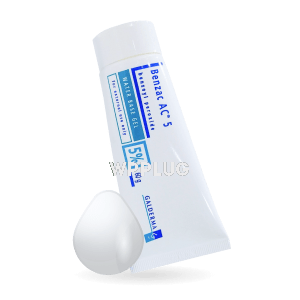
| Product dosage: 20g | |||
|---|---|---|---|
| Package (num) | Per tube | Price | Buy |
| 2 | $33.05 | $66.09 (0%) | 🛒 Add to cart |
| 3 | $29.04 | $99.14 $87.12 (12%) | 🛒 Add to cart |
| 4 | $26.04 | $132.19 $104.15 (21%) | 🛒 Add to cart |
| 5 | $23.03 | $165.24 $115.16 (30%) | 🛒 Add to cart |
| 6 | $20.03 | $198.28 $120.17 (39%) | 🛒 Add to cart |
| 7 | $18.60 | $231.33 $130.19 (44%) | 🛒 Add to cart |
| 8 | $17.65 | $264.38 $141.20 (47%) | 🛒 Add to cart |
| 9 | $16.58 | $297.42 $149.21 (50%) | 🛒 Add to cart |
| 10 | $15.22
Best per tube | $330.47 $152.22 (54%) | 🛒 Add to cart |
Synonyms | |||
Similar products
More info:
benzoyl
Benzoyl peroxide represents one of those foundational dermatologic agents that somehow manages to remain both profoundly effective and consistently misunderstood. When I first started in dermatology residency, we had this attending physician, Dr. Evans, who’d shake his head at residents reaching immediately for the latest biologic or high-tech laser. “You’re forgetting the workhorse in your stable,” he’d say, pointing to the simple benzoyl peroxide tube on his shelf. “This has cleared more acne than all your fancy gadgets combined.
a ret gel
A topical retinoid formulation combining tretinoin 0.025% in a novel hydrogel delivery system designed for enhanced epidermal penetration while minimizing irritation. The gel matrix incorporates humectants and barrier-supporting ceramides to counteract the drying effects typical of traditional retinoid therapies. We initially developed this formulation after observing consistent patient complaints about the irritation and peeling associated with conventional tretinoin creams - honestly, our first three prototypes were complete failures that left our test subjects with significant erythema and scaling.
Benzac: Effective Topical Treatment for Acne Vulgaris - Evidence-Based Review
Benzoyl peroxide 5% gel, a topical antimicrobial and comedolytic agent, remains one of the foundational treatments in acne vulgaris management. Having prescribed various formulations for over fifteen years, I’ve watched this medication evolve from messy, unstable preparations to the elegant delivery systems we have today. The journey hasn’t been straightforward - we’ve had formulation challenges, patient adherence issues, and ongoing debates about optimal concentration versus irritation potential. What follows is a comprehensive examination based on clinical evidence and practical experience.
cleocin
Clindamycin, marketed under the brand name Cleocin, represents a critical linoleic acid-derived antibiotic in the lincosamide class. Initially isolated from Streptomyces lincolnensis in the 1960s, this semi-synthetic derivative has maintained its clinical relevance for over five decades due to its unique anaerobic coverage and tissue penetration properties. We primarily utilize it in oral, topical, and intravenous formulations depending on infection severity and localization. What makes Cleocin particularly valuable is its ability to concentrate in polymorphonuclear leukocytes, alveolar macrophages, and abscess environments - something many broader-spectrum antibiotics fail to achieve effectively.
Clindamycin: Effective Bacterial Infection Treatment - Evidence-Based Review
Clindamycin is a lincosamide antibiotic derived from lincomycin, used clinically since the 1960s. It’s available in oral capsules, topical solutions/gels, vaginal creams, and injectable formulations. The drug works by binding to the 50S ribosomal subunit, inhibiting bacterial protein synthesis. We initially thought it was just another macrolide alternative, but its unique anaerobic coverage and bone penetration made it indispensable for certain infections. I remember our infectious disease team debating whether to include it in our hospital’s formulary back in 2005 - some argued newer antibiotics made it obsolete, while others pointed to its cost-effectiveness and reliable activity against MRSA in bone infections.
differin
Adapalene, marketed under the brand name Differin, represents a significant advancement in topical retinoid therapy, specifically formulated as a 0.1% gel, cream, or lotion for the treatment of acne vulgaris. Originally available only by prescription, its FDA approval for over-the-counter use in 2016 democratized access to a potent retinoid that modulates skin cell turnover and reduces inflammation. Unlike many cosmetic acne products, Differin functions as a true therapeutic agent with a well-defined mechanism of action targeting the fundamental pathophysiology of acne.
eukroma cream
Hydroquinone-based topical formulations remain one of the most clinically validated approaches for managing hyperpigmentation disorders, though the conversation around their appropriate use has become increasingly nuanced. The evolution of products like Eukroma Cream reflects this complexity - balancing demonstrated efficacy with careful risk management. What’s fascinating isn’t just the mechanism of action, which we’ll explore in detail, but the real-world application challenges that separate textbook knowledge from clinical wisdom. 1. Introduction: What is Eukroma Cream?
ginette 35
Ginette 35 represents one of those interesting cases where a medication developed for one purpose finds its most significant clinical utility in an entirely different domain. Originally positioned as an oral contraceptive, what we’ve observed over nearly three decades of use is that its real therapeutic power lies in managing androgen-related conditions in women. The combination of cyproterone acetate and ethinylestradiol creates a unique hormonal environment that’s particularly effective for women struggling with the clinical manifestations of hyperandrogenism.
isotroin
Isotretinoin, a potent oral retinoid derived from vitamin A, represents one of the most significant advances in dermatological therapy for severe, recalcitrant acne. Marketed under various brand names including Isotroin, this medication fundamentally alters the disease course for patients who have failed conventional treatments like topical agents and oral antibiotics. Its mechanism, targeting multiple pathogenic factors simultaneously, provides a durable remission that few other therapies can match. However, its use is tempered by a significant side effect profile and strict monitoring requirements, making it a treatment reserved for the most severe cases under specialist supervision.