| Product dosage: 50mg | |||
|---|---|---|---|
| Package (num) | Per pill | Price | Buy |
| 90 | $0.46 | $41.06 (0%) | 🛒 Add to cart |
| 120 | $0.41 | $54.75 $49.07 (10%) | 🛒 Add to cart |
| 180 | $0.37 | $82.12 $66.10 (20%) | 🛒 Add to cart |
| 270 | $0.34 | $123.18 $91.14 (26%) | 🛒 Add to cart |
| 360 | $0.32
Best per pill | $164.24 $114.17 (30%) | 🛒 Add to cart |
Synonyms | |||
More info:
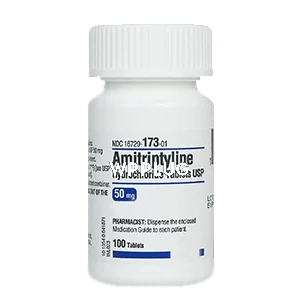
amitriptyline
Amitriptyline is a tricyclic antidepressant (TCA) that’s been in clinical use since the 1960s, primarily indicated for major depressive disorder but possessing a remarkably broad therapeutic profile that extends far beyond its original designation. What’s fascinating about this molecule isn’t just its antidepressant properties—it’s the unexpected analgesic and neuromodulatory effects that have made it a cornerstone in chronic pain management and migraine prophylaxis. The drug’s complex pharmacology involves not just serotonin and norepinephrine reuptake inhibition, but also significant anticholinergic, antihistaminic, and sodium channel blocking activities that create both therapeutic benefits and challenging side effect profiles.
asendin
Let me walk you through our experience with Asendin - the amoxapine formulation that’s been quietly revolutionizing how we approach certain depression subtypes. When it first hit our formulary back in 2018, honestly, most of us were skeptical. Another tricyclic derivative? Really? But Dr. Chen in psych kept pushing us to look at the receptor profile differently. ## What is Asendin? Its Role in Modern Medicine Asendin (amoxapine) represents what happens when you take the classic tricyclic antidepressant structure and actually optimize it for modern practice.
compazine
Compazine, known generically as prochlorperazine, is a phenothiazine derivative primarily used as an antiemetic and antipsychotic agent. This prescription medication has been a cornerstone in managing nausea, vomiting, and certain psychiatric conditions since its introduction in the 1950s. Unlike over-the-counter supplements, Compazine represents a well-established pharmaceutical intervention with specific clinical applications and regulatory oversight. I remember my first encounter with Compazine during residency—we had a postoperative patient, Mr. Henderson, 68, with unrelenting nausea after abdominal surgery.
cymbalta
Duloxetine hydrochloride, marketed under the brand name Cymbalta, represents a significant class of medication known as a serotonin-norepinephrine reuptake inhibitor (SNRI). It’s not a dietary supplement or a medical device in the traditional sense, but a prescription pharmaceutical primarily indicated for Major Depressive Disorder (MDD) and Generalized Anxiety Disorder (GAD), among other conditions. Its development was a pivotal moment in psychopharmacology, offering a dual mechanism that distinguished it from the selective serotonin reuptake inhibitors (SSRIs) that dominated the market.
ditropan
Oxybutynin chloride - that’s the chemical name we’re discussing here, though most know it as Ditropan. It’s been around since the 1970s, originally developed as an antispasmodic for gastrointestinal conditions before we discovered its profound effects on bladder function. The drug works primarily as an antimuscarinic agent, specifically targeting the M3 muscarinic receptors in the detrusor muscle of the bladder wall. What’s fascinating is how it essentially tells an overactive bladder to calm down - it reduces uninhibited contractions and increases functional bladder capacity.
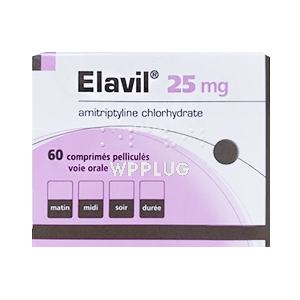
elavil
Amitriptyline, marketed under the brand name Elavil among others, is a tricyclic antidepressant (TCA) with a long and storied history in clinical practice. It’s a workhorse medication, primarily used for the management of major depressive disorder, but its utility extends far beyond that, into neuropathic pain, migraine prophylaxis, and other off-label uses. Its mechanism, primarily through the inhibition of serotonin and norepinephrine reuptake, makes it a versatile, if sometimes challenging, tool in a clinician’s arsenal.
endep
Endep, known generically as amitriptyline, is a tricyclic antidepressant (TCA) with a complex pharmacological profile that extends well beyond its initial psychiatric indications. Originally developed in the 1960s, it has carved out a significant niche in chronic pain management and neurological disorders, largely due to its potent effects on multiple neurotransmitter systems. The drug’s ability to modulate serotonin and norepinephrine reuptake, combined with its anticholinergic and antihistaminic properties, makes it a versatile, albeit sometimes challenging, therapeutic agent.
flexeril
Flexeril is a centrally-acting skeletal muscle relaxant with a complex pharmacological profile that continues to intrigue clinicians decades after its introduction. Structurally related to tricyclic antidepressants, cyclobenzaprine’s primary mechanism involves reducing tonic somatic motor activity at the brainstem level through noradrenergic modulation rather than direct peripheral action on muscle fibers. This distinction is clinically significant - we’re not dealing with a neuromuscular blocker but rather a CNS modulator that interrupts the reflex arc contributing to muscle spasm.
indocin
Indocin, known generically as indomethacin, is a potent nonsteroidal anti-inflammatory drug (NSAID) belonging to the arylalkanoic acid class. It’s primarily available in oral capsules, suppositories, and intravenous formulations, not as a dietary supplement or over-the-counter medical device. Its significance in modern medicine stems from its powerful inhibition of prostaglandin synthesis, making it a cornerstone therapy for various inflammatory conditions, acute pain states, and specific obstetric applications. Unlike newer COX-2 selective agents, indomethacin provides broad cyclooxygenase inhibition, which explains both its efficacy and its particular adverse effect profile.